PET Optical Film Coating Machine: Core Equipment in Advanced Optical Material Manufacturing
In modern optical materials manufacturing, the PET optical film coating machine holds a pivotal position. It is specialized equipment designed to uniformly apply functional optical coatings onto PET (polyethylene terephthalate) film substrates, thereby producing high-performance PET optical films. These films are widely used in liquid crystal displays (LCDs), touchscreens, lighting systems, and other optical-related fields. The performance of the PET optical film coating machine directly determines the quality and functionality of the final optical film products.
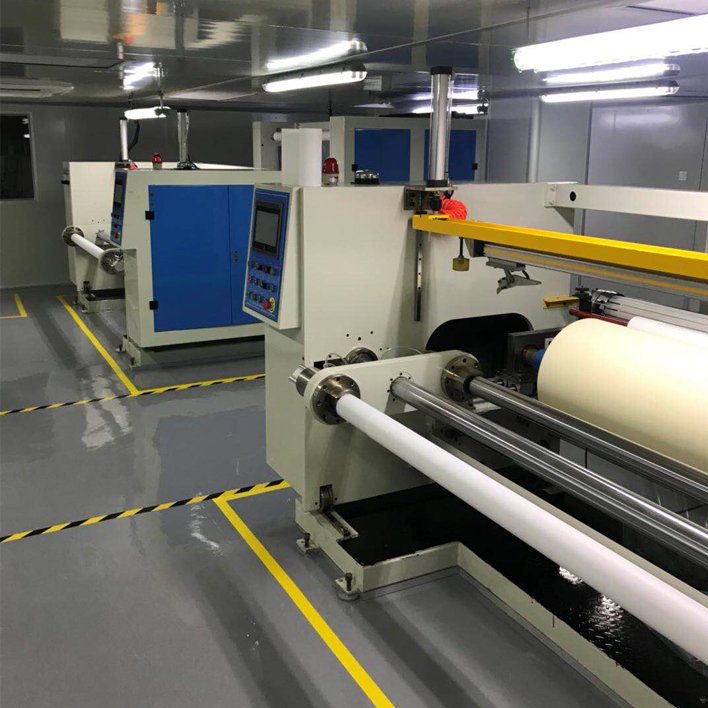
The machine is typically composed of several key systems: an unwinding system, a coating system, a drying system, a rewinding system, and a high-precision control system.
-
The unwinding system is equipped with advanced tension control mechanisms to ensure that the PET film maintains a consistent tension as it feeds into the coating section. This prevents issues like wrinkles and uneven stretching that can negatively affect coating quality.
-
The coating system, the machine’s core component, employs methods such as slot-die coating and micro gravure coating, which allow for high-precision coating control.
For example, in slot-die coating, the optical coating material is dispensed through a precision-engineered slot die to form a uniform layer on the PET film at a controlled thickness and width—achieving nanometer-level accuracy, which meets the stringent uniformity requirements of high-end optical films. -
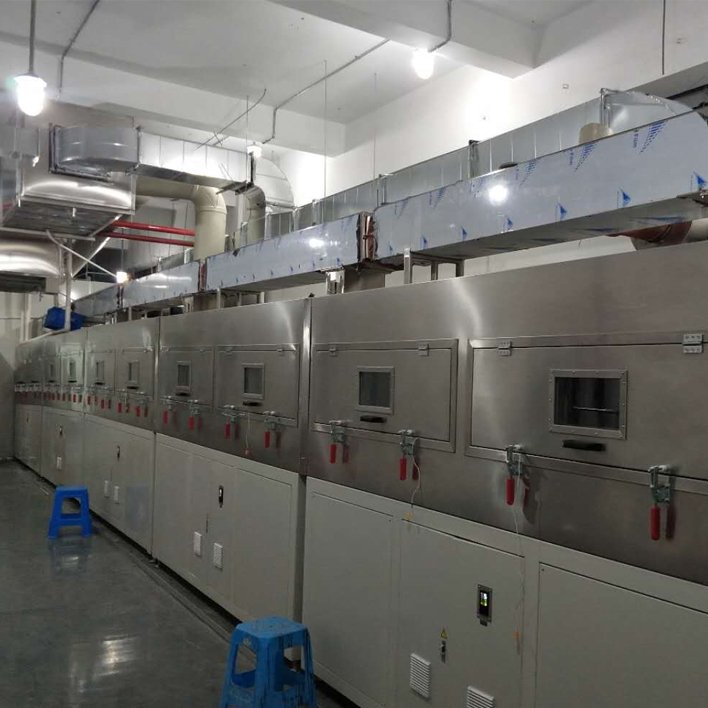
The drying system uses efficient hot air circulation or vacuum drying technology to rapidly remove solvents from the coated film, curing the coating while preserving the film’s optical and physical properties.
-
The rewinding system also features tension and winding control to ensure that the dried film is rolled evenly and with consistent tightness.
-
The control system integrates advanced automation technologies to monitor and adjust key parameters in real time, such as coating speed, temperature, and pressure—ensuring consistent and stable production.
Working Principle
The PET optical film coating machine operates based on the physical principles of coating and drying. Once the machine is running, the unwinding system feeds the PET film substrate at a steady rate. Driven by the traction system, the film passes uniformly through the coating station.
According to preset process parameters, the coating system applies the formulated optical coating onto the PET film in a highly uniform manner. The wet-coated film then enters the drying section, where heat transfer and solvent evaporation solidify the coating material, which firmly adheres to the film and forms a layer with specific optical properties.
Finally, the dried PET optical film is wound into rolls by the rewinding system, completing the entire production cycle.
Applications in Optical and Display Industries
In the LCD industry, PET optical film coating machines are used to produce brightness enhancement films, diffuser films, and polarizer protective films—all of which are essential components of LCD panels:
-
Brightness enhancement films improve the light output efficiency of backlight units, increasing screen brightness.
-
Diffuser films help distribute light uniformly, enhancing display evenness.
-
Polarizer protective films safeguard polarizers and ensure stable optical performance.
In the touchscreen sector, the machine is used to manufacture anti-fingerprint films and anti-glare films:
-
Anti-fingerprint films reduce smudges and keep screens clean.
-
Anti-glare films minimize surface reflections, ensuring screen visibility in bright environments.
In the lighting industry, PET optical film coating machines are used to produce reflective films and diffuser panels, improving lighting efficiency and uniformity, contributing to energy-saving and environmentally friendly illumination systems.
Performance Advantages
-
Exceptional Coating Precision:
The machine can control coating thickness with extreme accuracy, ensuring uniform film thickness, which is critical for stable optical performance. -
High Production Efficiency:
Through continuous, automated production, the machine supports large-scale manufacturing, meeting the growing market demand for PET optical films. -
Strong Process Adaptability:
The machine can flexibly adjust to different optical coating formulations and PET substrate characteristics, enabling the production of a wide variety of films with diverse functions and properties. -
Energy Efficiency & Sustainability:
By optimizing the drying and energy management systems, the PET optical film coating machine reduces energy consumption and production costs without compromising product quality—aligning with sustainable manufacturing principles.