Protective Film Coating Machine: Key Equipment in Surface Protection and Material Processing
In the field of material processing and surface protection, protective film coating machines play a critical role. These are specialized machines designed to uniformly apply adhesives, coatings, or other functional materials onto substrates such as plastic films, thereby producing protective films with specific performance characteristics.
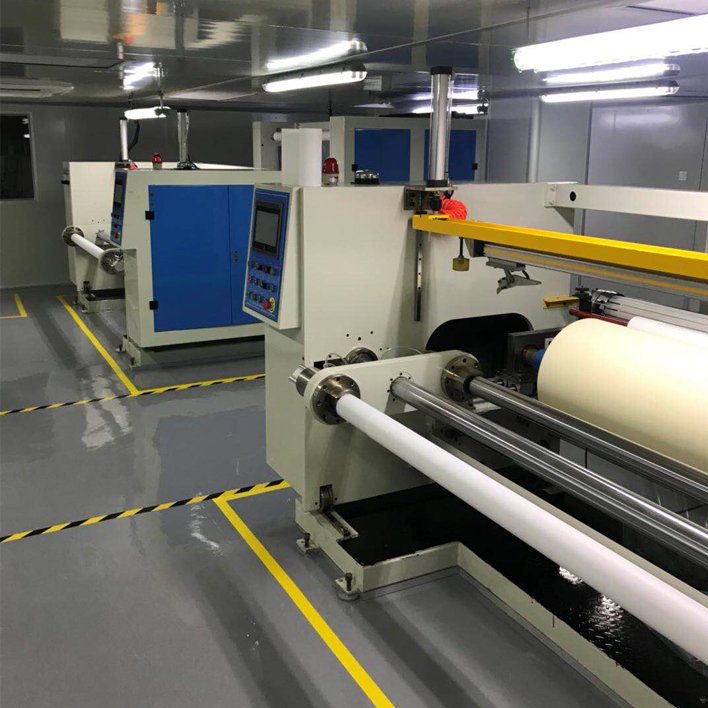
A typical protective film coating machine consists of several major components: unwinding unit, coating unit, drying system, rewinding unit, and electrical control system.
-
The unwinding unit steadily feeds the substrate roll into the system, ensuring smooth and accurate entry into subsequent coating processes.
-
The coating unit, which is the core of the machine, supports various coating methods such as roll coating, knife-over-roll (blade) coating, and gravure coating. Each method suits different materials and precision requirements.
For example, in roll coating, the gap and pressure between the coating roller and the substrate can be adjusted to evenly transfer the coating material onto the film surface. -
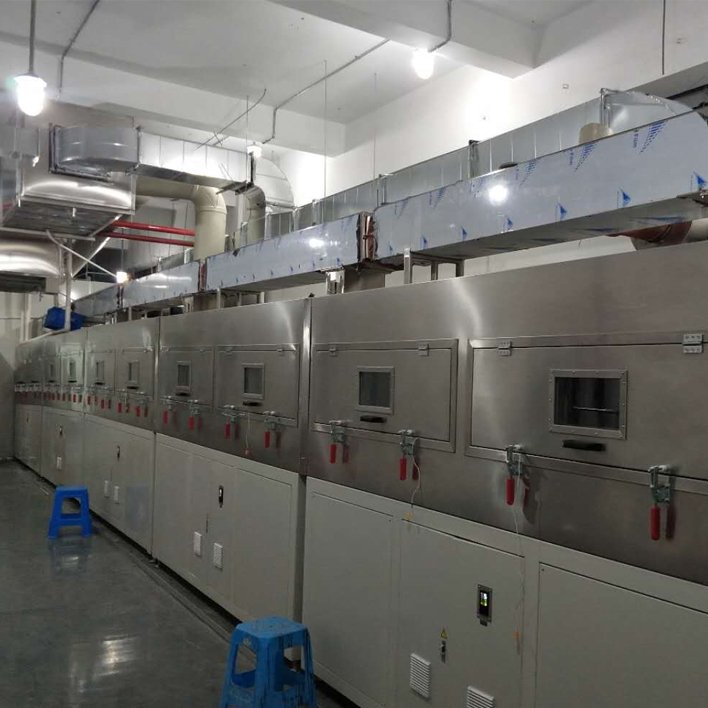
The drying unit uses hot air, infrared radiation, or a combination thereof to rapidly evaporate solvents from the coated film, curing the coating and ensuring product performance stability.
-
The rewinding unit neatly rolls up the dried and coated film for easy storage and transportation.
-
The electrical control system precisely manages parameters such as coating speed, drying temperature, and web tension, ensuring consistent and stable production.
Working Principle
The machine operates based on physical coating and drying processes.
First, the unwinding unit releases the film substrate, which is guided at a constant speed through the coating unit. The pre-mixed coating material is then applied evenly to the film surface at a controlled thickness and coating rate.
Next, the wet-coated film enters the drying zone, where heat transfer and evaporation rapidly remove the solvents, solidifying the coating into a durable protective layer.
Finally, the dried film is wound into rolls by the rewinding unit.
Applications Across Multiple Industries
Protective film coating machines are widely used across multiple industries:
-
Electronics Industry:
For manufacturing protective films used on screens of smartphones, tablets, and other electronic devices. These films prevent scratches, fingerprints, and enhance visual clarity and durability. -
Automotive Industry:
Used to produce paint protection films (PPF) that shield vehicle surfaces from stone chips, abrasions, and light scratches during daily use. -
Construction & Architecture:
Coated films for glass provide heat insulation, shatter resistance, and UV protection, improving building energy efficiency and occupant safety.
Performance Advantages
-
High Precision Coating:
Coating thickness can be controlled at the micron level, meeting the strict requirements of various protective film applications. -
High Production Efficiency:
With increasing levels of automation, these machines support continuous production, significantly boosting output and reducing manual intervention. -
Strong Adaptability:
The machine can flexibly adjust coating processes and parameters according to different substrates and coating types, enabling the production of diverse protective film products. -
Energy Efficiency:
Thanks to optimized drying systems and energy-saving designs, the machine ensures high product quality while reducing energy consumption and production costs.