PET Optical Film Coating Machine is a specialized device used for coating PET (Polyethylene Terephthalate) optical films, playing a crucial role in modern industrial production. With the popularity of electronic products and advances in optical technology, the importance of PET optical film coating machines has become increasingly prominent.
1. Functions of PET Optical Film Coating Machine
Uniform Coating
The primary function is to evenly coat one or multiple functional layers on the surface of PET films, such as anti-reflective coatings, anti-fingerprint coatings, and hard coatings. These layers enhance the optical and physical properties of the PET film to meet the needs of various applications.
Improved Production Efficiency
Equipped with an automated production line, the coating machine enables high-speed, continuous manufacturing, greatly improving efficiency and reducing labor costs.
Precise Control
The machine is equipped with a precise control system that accurately regulates coating thickness, coating speed, and drying temperature, ensuring consistent product quality.
Energy Saving and Environmental Protection
Using advanced coating technology and energy-efficient design, it reduces raw material and energy consumption while minimizing environmental pollution during production.
2. Structure and Working Principle of PET Optical Film Coating Machine
Structure
Typically, the machine consists of the following parts: feeding system, coating system, drying system, winding system, and control system.
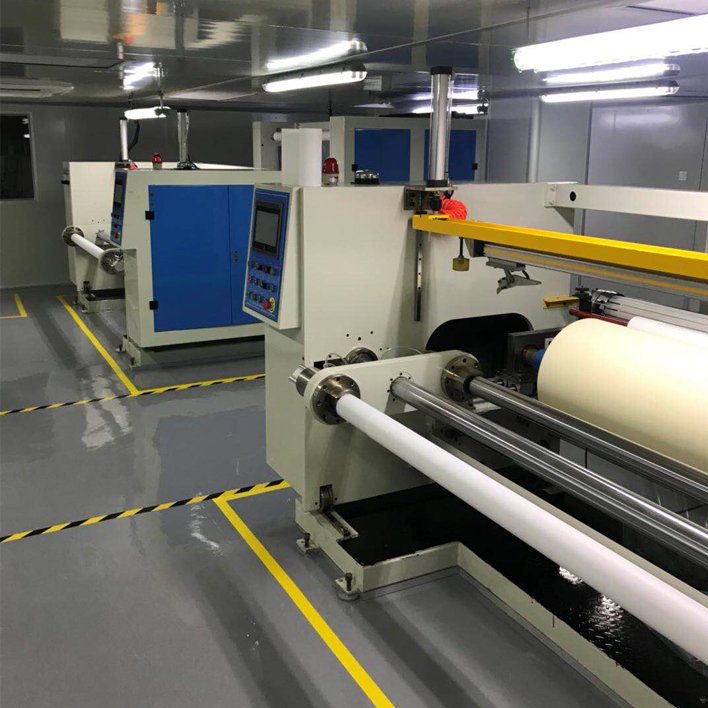
- Feeding System: Feeds the raw PET film material into the coating machine.
- Coating System: Includes coating heads, coating knives, metering pumps, etc., to apply the coating material evenly onto the PET film surface.
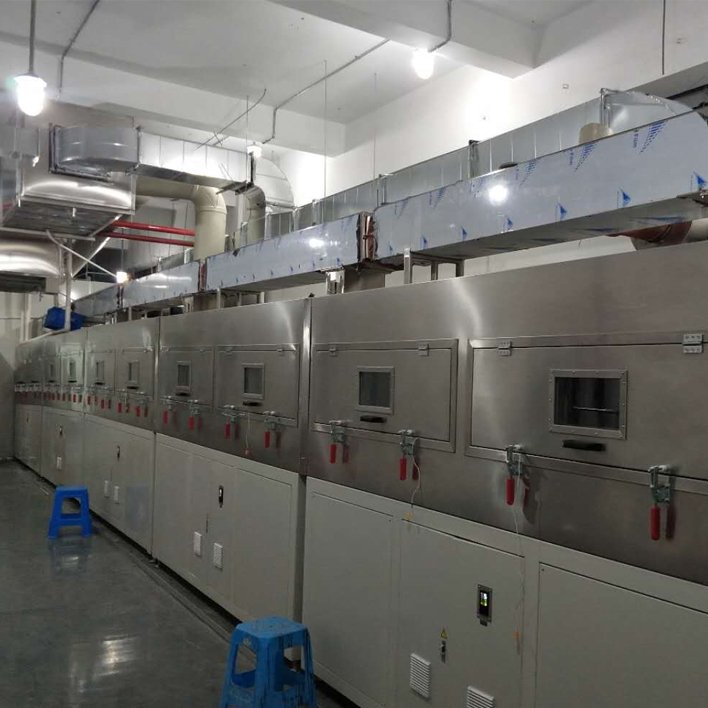
- Drying System: Quickly dries the coated PET film through heating and ventilation equipment.
- Winding System: Winds the dried PET film into finished rolls.
- Control System: Manages the automation of the entire coating process.
Working Principle
During operation, the PET film is fed into the machine via the feeding system. The coating head applies the coating material uniformly on the film surface. The film then passes through the drying system to cure the coating. Finally, the coated and dried film is wound into rolls by the winding system. The entire process is automatically controlled by the control system.
3. Application Areas of PET Optical Film Coating Machine
- Display Technology: Produces anti-reflective films, brightness enhancement films, and other optical films widely used in LCDs, touch screens, and other display technologies.
- Optical Equipment: Produces hard coatings, privacy films, etc., used in camera lenses, eyeglasses, and other optical devices.
- Decoration and Protection: Functional coated films are used for decoration and protection of electronic devices such as mobile phones and computers.
- Solar Photovoltaics: Anti-reflective films produced by the machine enhance solar panel light absorption and improve energy conversion efficiency.
4. Advantages of PET Optical Film Coating Machine
- High Precision: Uses precise coating heads and metering pumps to ensure uniform coating thickness and meet high-precision requirements.
- Stability: Employs stable control systems and high-quality components to guarantee consistent and reliable production.
- Flexibility: Adjustable to different coating materials and processes, suitable for various coating techniques.
- Ease of Operation: User-friendly interface simplifies operation and reduces training costs.
PET optical film coating machines play an important role in modern industrial production. Their high efficiency, accuracy, and stability provide strong support for the development of the optical film industry. With ongoing technological advancements, the performance of these machines will continue to improve, and their application fields will further expand.